

For many years, 20% has been the benchmark, and many first-time home buyers believe they should make a very large down payment to buy a home. Buyers still believe it’s a hard and fast rule to get out of Private Mortgage Insurance (PMI) or get a home loan.
It is important to know the actual mortgage requirements because the fact is that many conventional loans require as little as 3% down, and programs like FHA loans require only 3.5% down. Knowing these tiers prevents buyers from waiting years to buy when they are already financially ready. Buyers can understand how down payments scale and calculate their true monthly Equated Monthly Instalment (EMI) or mortgage obligation, thereby avoiding over-leveraging their income on an expensive property.
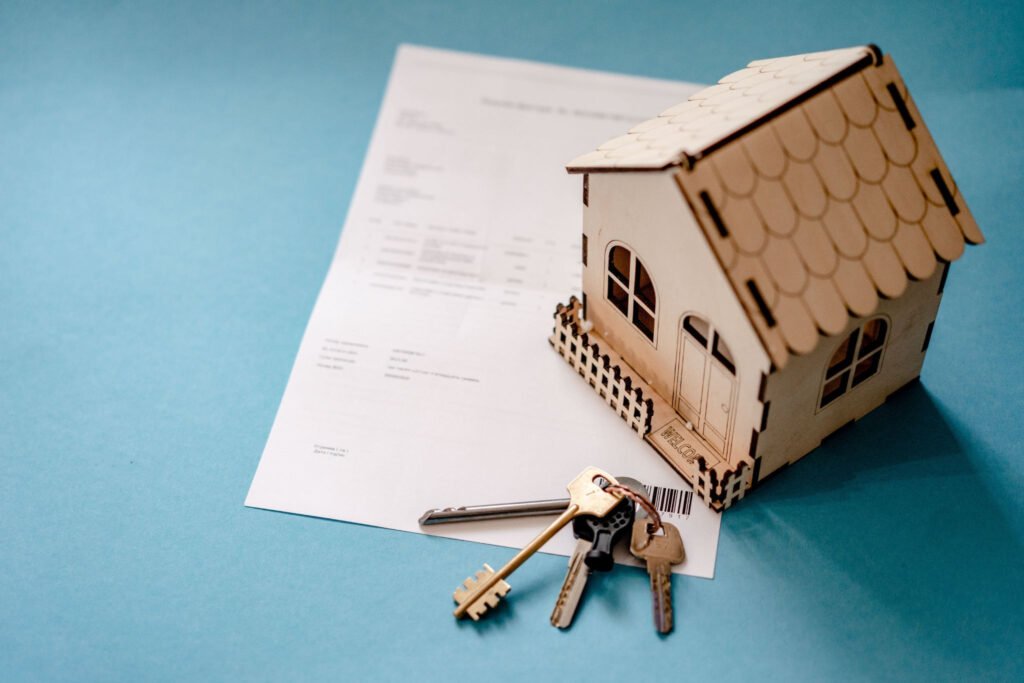
What Is a Down Payment?
It is the first money a buyer puts into a home when they buy it. The buyer will pay part of the money for the property, and the rest will be provided by the lender through a mortgage loan.
Let’s assume a person gets a house for $300,000 and then puts 10% down. They’d borrow the rest $270,000 and pay $30,000 upfront.
Lenders require down payments because they reduce the risk to the lender. The general assumption is that a buyer who puts some money down on a purchase is more stable and more committed to a purchase than a buyer who does not put money down. Down payments can also impact loan terms, monthly payments, and mortgage insurance requirements.
Do you need 20% down payment?
One of the most common misunderstandings among consumers is that a 20% down payment is required when purchasing a property. In actuality, though, saving up 20% of the buying price is not necessary. There are many lender programs available nowadays that will accept a 3% to 3.5% down payment, and some will even require no down payment.
The 20% “Rule”: Common Misconceptions
- Myth: It’s the law.
Fact: The 20% decrease figure is an estimate only. The average down payment for a first-time home buyer today is closer to 9%.
- Myth: You become a dangerous borrower if you put down less than 20%.
Fact: Government agencies sponsor a large number of low-down-payment loans, reducing risk and enabling purchasers who would otherwise have good credit and steady earnings to move into homes sooner.
Why Some Loan Programs Allow Lower Down Payments
In the day that we live in, rather than the amount of money we need to invest initially to own a home, it is about how easy it is to own one.
- Qualified Borers may be able to use a government-backed loan, which normally requires a 0% down payment (FHA Loans are available with as little as 3.5% down payment).
- Lots of traditional home loans, such as the Fannie-Mae HomeReady, have a 3% down payment.
- The trade-off: If you put down less than 20%, you’ll have to finance a greater loan amount and pay PMI, which is normally 0.5% to 1% of the loan amount every year. Once you have 20% equity in your property, you are able to cancel PMI.
Minimum Down Payment Requirements for Common Mortgage Types
Key to the home-buying process is knowing what your down payment choice is. Using the Bank-rate Mortgage Calculator, you can research and compare rates and explore tailored options offered by the Consumer Financial Protection Bureau to see which loan is best suited to your financial situation.
The down payment amount is dependent on the type of mortgage:
Conventional Loans: First-time buyers will usually be required to make the 3% down payment, while repeat buyers will usually be required to make the 5% down payment. If you make a more than 20% down payment, then there is a PMI requirement.
FHA Loans: These will accept a credit score of 580 or more and a 3.5% down payment. An MIP is needed for these types of loans.
VA-Backed loans: Veterans, active duty, and surviving spouses have the option for a loan without a down payment.
USDA Loans: USDA loans are provided to low to moderate-income homebuyers in select rural and suburban communities. They are similar to VA loans, where there is no down payment.
How Your Down Payment Affects Monthly Mortgage Costs
The amount of a down payment is one of the factors that can influence home ownership.
Monthly Payments
The bigger you can pay off the down payment, the less you will need to borrow, and the lower your monthly mortgage payment will be.
Mortgage Insurance
PMI is typically required for buyers who make less than a 20% down payment for conventional loans. This extra expense per month covers the lender in case the borrower defaults on the loan.
Loan Approval Strength
If a buyer is putting a higher down payment, it can make their mortgage application more robust, as it decreases the risk for the lender.
Interest Costs Over Time
The less money that you borrow, the less interest that goes toward the loan throughout its term. A small bump in the down payment can go a long way for long-term savings at times.
Additional Costs Buyers Should Plan For
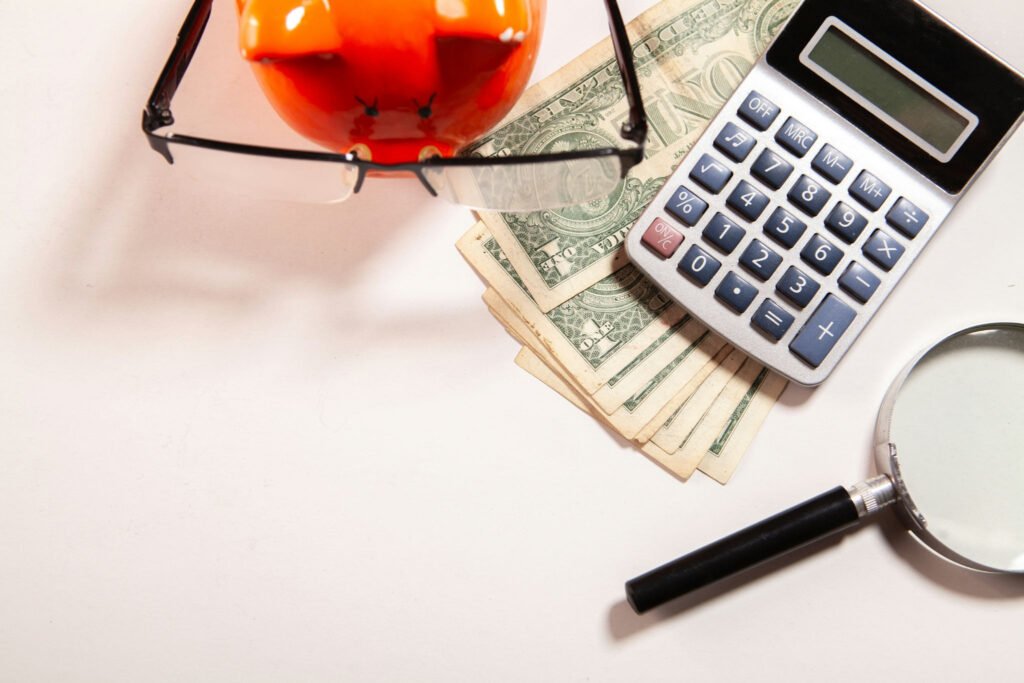
The first thing many first-time home buyers think about is the down payment, and they neglect to consider other costs of home ownership.
Closing Costs
Lender fees, appraisal fees, title insurance, and prepaid taxes can be a part of closing costs. These fees are typically due at the close of the transaction.
Moving Expenses
Buyers should also budget for moving expenses, utility hook-up charges and any required furniture and appliances.
Property tax and home insurance
These are the expenses homeowners must pay each year, which are usually paid via their monthly mortgage.
Emergency Maintenance Savings
As emergency repairs and maintenance costs can arise at any time, it is advisable to have emergency funds in place.
Ways First-Time Buyers Save for a Down Payment
It takes time to save for a down payment, but you can build good money habits.
- Establish automatic savings plans
- Reducing debt
- Strategy Budget
- Looking into down payment assistance programs
- Family gift funds were allowed
Common Down Payment Mistakes Buyers Make
- Spending all savings on a down payment
- Ignoring closing costs and moving costs
- Must have 20% down
- Accruing new debt before approval of a loan
- No research on assistance programs
Final Thoughts
A house-saving goal is a big economic objective for homebuyers, but it should be noted that there is no standard requirement. Any larger down payment will lower the monthly payment and will decrease the costs of borrowing the mortgage, but many mortgage plans provide qualified buyers who can buy a home with a much smaller initial payment.
When looking into purchasing a home for the first time, new home buyers should learn about the loan options they are available to them, budget accordingly, and prepare themselves for the true cost of buying a home and not just the typical 20% rule. Buying a house might be attainable for more people than they think with the right planning and attitude.
Want personalised mortgage options or refinancing offers? Fill out the quick form below and get matched with lending professionals.