

When you begin the home-buying process, you’ll come across numerous terms such as down payment and monthly mortgage payments. These are definitely critical, but many first-time home buyers will be shocked at the extra costs they are going to need at closing.
These are called Closing costs can add up, and you don’t want to be caught off guard. Understanding the costs involved and how to budget them can prevent you from being surprised by the cost and make better decisions during the home-buying process.
This article will talk about all of the layman’s terms information you need to know about closing costs.
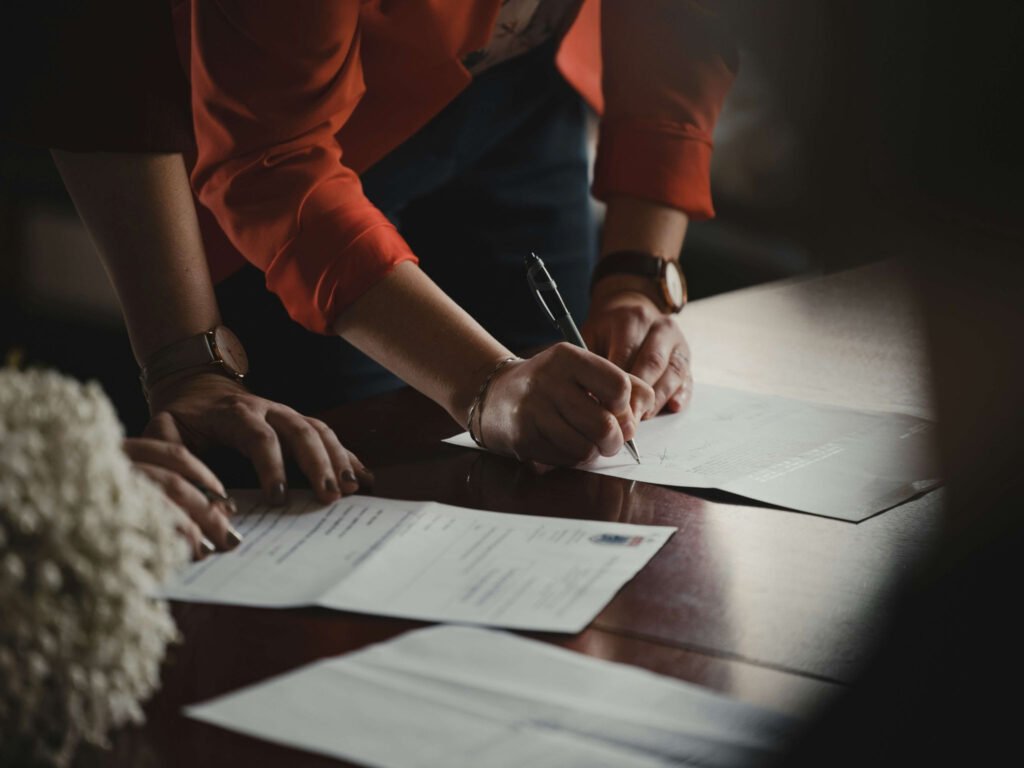
What Are the Closing Costs?
Closing costs are the fees and expenses incurred at the closing table when you settle the transaction (closing) for a home.
These normally occur at the end of the house purchase process, before you get the keys to your new home. These are not the costs of your down payment, but rather the final costs that you’ll be charged to complete the transaction.
Closing costs have several services and requirements that you need to be able to transfer the property from the seller to you in a legal manner. They utilise the services of third parties such as title companies, lenders, appraisers, and attorneys.
There are numerous parties who have to do with a real estate closing, and numerous charges are incurred throughout the process.
It’s important to understand closing costs since they can make a big difference in your out-of-pocket costs. They don’t always pop into the prospective buyer’s mind, and many times they are a shock.
Lenders will need to provide you with a breakdown of closing costs early in the loan process so that you can have time to prepare.
Common Fees Included in Closing Costs
There are a number of different types of fees that will normally be part of closing costs. The following is a list of some of the major components of closing costs:
- Loan Origination Fees: These fees are from your lender to process your mortgage application, look at your application, and approve your mortgage. Origination loan costs can vary from 0.5% to 1.5% of the loan amount, depending on the typical loan. For a $300,000 mortgage, this could mean $1,500 to $4,500 in fees.
- Appraisal Fees: It is important that the lender has a professional appraisal in order to come up with a good estimate of the property’s value. This will help safeguard the lender because the house will be appraised for at least what you’re borrowing. The cost of the appraisal fee is usually $300-$700.
- Home Inspection Fees: While not always a closing cost, this is a very important closing cost as it involves a professional home inspection. Home systems, conditions, and structure are inspected. The expense of inspections is normally $300 to $600.
- Title Insurance: Title insurance offers you and your lender protection from claims to the property’s title. It ensures that the Seller has full ownership of the property and has the right to sell the property. The cost of title insurance usually ranges from 0.5 per cent to one per cent of the purchase price.
- Attorney fees and/or settlement fees: They must be paid immediately. In some states, a lawyer must supervise closing and in other states, the closing role is filled by a title company or settlement agent.
These experts guarantee the accuracy of all documents and the legality of the transactions. The costs of fees are high and depend on your location, but generally are $500 to $1,500.
- Recording Fees: Ownership of the deed must be registered with the local government to create the deed. The cost of recording fees is $50 to $200, and may vary from county to county or from jurisdiction to jurisdiction.
- Property Taxes & Prepaid Expenses: There may be some advance payment required for property taxes and homeowners’ insurance. They can be large, depending on the season and location. Also, your lender might ask that you open an escrow account and make a deposit to cover any future tax and insurance expenses.
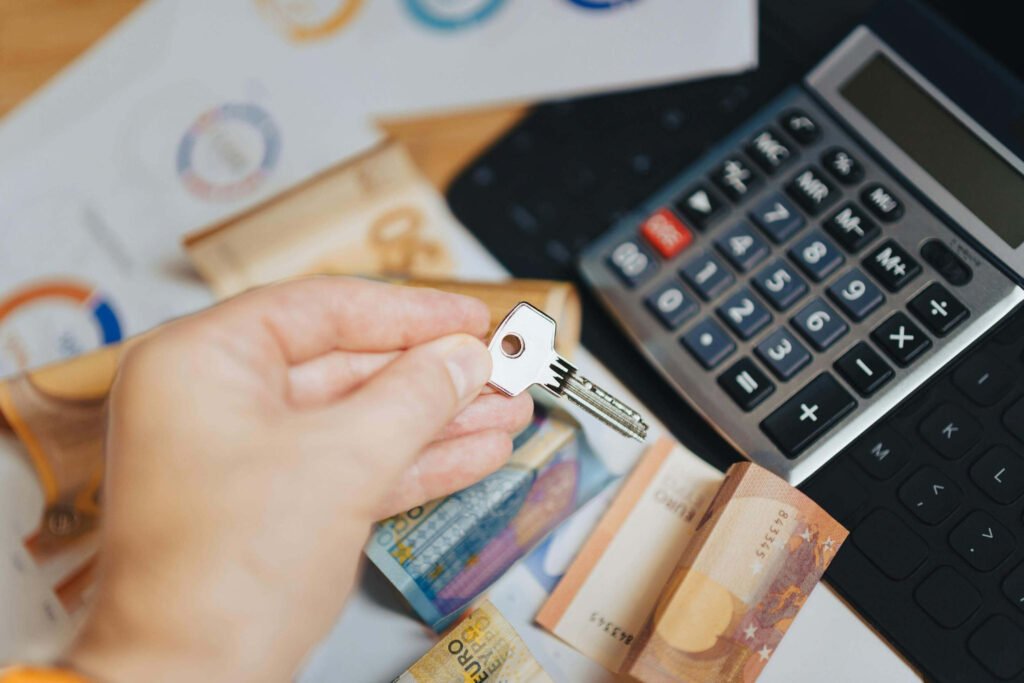
How Much Do Closing Costs Usually Cost?
The closing cost averages 2%-5% of the home’s value and can be different based on the home’s value. If you are interested in a $300,000 house, then you are in for between $6,000 and $15,000 in closing costs.
Some factors can influence the amount of closing costs that you have to pay. The closing costs in your area can make all the difference—the urban area, in addition to states with more complex real estate laws, might have greater closing costs.
The type of loan you’re getting also impacts costs. For instance, FHA and VA loans may differ from conventional loans in terms of the fees charged.
A Loan Estimate must be given to you by your lender within three business days of your loan application.
This section provides full details of all the costs, enabling you to compare a number of offers from various lenders. Carefully read through this and make sure you ask questions on any fees you don’t know what they are.
Who Pays Closing Costs?
Typically, closing costs are paid by the buyer, although in some instances this is not always the case. Sometimes, certain sellers may pay a portion of closing costs based on market conditions and/or negotiation with the seller and buyer.
In a buyer’s market, the buyer may be responsible for closing costs, but the seller may wish to pay some or all of the closing costs on their own as an incentive to the buyer to buy the home.
On the other hand, during a seller’s market, buyers will often cover the closing costs, as well as the seller’s closing costs, in a competitive bid.
Note that there may be some fees that are due by law or regulation and cannot be avoided. These include appraisal fees, title insurance, and recording fees.
Certain of the other expenses, though, like the lender fees, might be more open to negotiation. Prior to signing on any loan, regardless of type, find out what is negotiable from your lender.
Can Closing Costs Be Reduced?
- Compare Lenders: The fees vary from one lender to another. Getting a Loan Estimate from at least three lenders will allow you to contrast the origination charges and other expenses. You may be able to save hundreds or even thousands of dollars by shopping around.
- Inquire about Lender Credits: There are some lenders that provide credits which can either lower or waive some of the fees. It’s possible you would be prepared to pay a bit more interest simply to pay closing costs. This is sometimes referred to as a “no closing cost” loan, but you will be paying for this cost over time with more interest.
- Negotiate Seller Concessions: As an offeror, you may ask the seller to contribute towards closing costs. This is more likely if it is a buyer’s market. If the seller doesn’t agree to cover all costs, they may be responsible for a part of the costs.
- Carefully read the Loan Estimate: Be sure to review the Loan Estimate carefully. Carefully review all of the fees. If you think you may have a charge you don’t know, ask your lender to explain what it is. Some fees may be able to be negotiated or avoided.
- Avoid Unnecessary Fees: There may be discretionary processing, prepayment, and/or courier costs charged by mortgage brokers. Inquire about the required vs. optional fees. Some things you can do yourself to avoid any unnecessary fees, such as document pick up.
Common Closing Cost Mistakes First-Time Buyers Make
Try to prevent the following errors:
- Not making advance closing cost savings: Many buyers think that they only have to save for the down payment and are surprised by the closing costs. From the beginning, plan finances to cover both.
- Taking the first loan offer given: If you accept the first loan offer you’re given, you could be paying thousands of dollars more in extra fees. Get and compare multiple Loan Estimates.
A Closing Disclosure is a document that provides the final closing costs that you will get three days before closing. Read it through thoroughly and make sure that it’s comparable to your Loan Estimate. Ask questions about any changes of importance that have occurred.
- Large financial changes before closing: Lenders have the ability to get another version of your credit report just before closing. Major life changes like buying a big box, getting into a lot more debt, or changing careers may affect a person’s ability to obtain a loan. Don’t make these changes until after closing.
- Don’t negotiate: Until we sign, all things are negotiable. If closing costs appear to be too steep, inquire whether the lender can reduce the costs or whether the seller will pay closing costs. The worst that they can say is “no.
Final Thoughts
While closing costs are a major consideration when purchasing a home, they don’t have to get in the way of your home ownership goals. The first step in reducing the impact of closing day is to know what costs to expect, make plans ahead, and shop around.
Remember that, before you sign up with them, your lender must provide you information on all of their costs. Should you wish to know anything more about any fees, please don’t hesitate to ask. Get informed and ready to navigate successfully through the closing process.
One of the biggest pieces of financial advice one can give is the importance of buying a home. Closing costs are part and parcel of your real estate transaction – they can be intimidating.
Knowing what to expect and how to save for it allows you to do it without hesitation, and you can be “prepared”. Congratulations to the new home buyer!
Want personalised mortgage options or refinancing offers? Fill out the quick form below and get matched with lending professionals.